Shroud's Verdict on PUBG's Future: Why Only a Sequel Can Revive the Battle Royale Pioneer
Streamer shroud argues that only a ground-up PUBG sequel can revive the fading battle royale, as current updates can't overcome foundational issues.
Former professional Counter-Strike: Global Offensive player turned streaming icon Michael ‘shroud’ Grzesiek has never been shy about voicing his opinions on the state of competitive gaming. Having once dominated the PUBG streaming scene when the game was at its zenith, his perspective carries weight among the battle royale community. In a candid moment during a broadcast, shroud dissected the gradual decline of PlayerUnknown’s Battlegrounds and outlined the only scenario he believes could restore its former glory—a path that involves a ground-up reinvention rather than incremental updates.
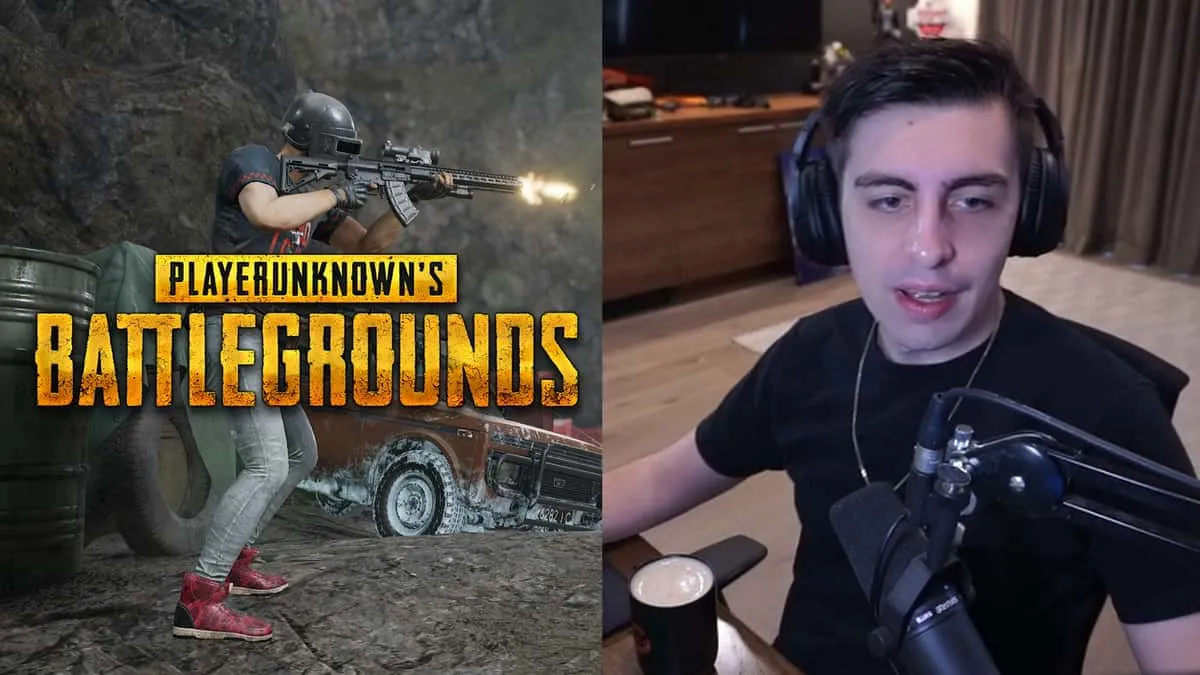
The meteoric rise of PUBG in 2017 redefined multiplayer gaming, catapulting the battle royale genre into the mainstream. For a period, it seemed untouchable, with record-breaking concurrent player counts on Steam and a dedicated esports circuit. shroud was at the center of that storm, his tactical gameplay and pinpoint aim helping popularize the title on platforms like Twitch and later Mixer. However, the landscape shifted dramatically as polished competitors entered the arena. Titles such as Fortnite with its building mechanics and pop-culture crossovers, Respawn Entertainment’s hero-driven Apex Legends, and the fast-paced Call of Duty: Warzone gradually siphoned away the player base. By the early 2020s, PUBG had become a shadow of its former self—still retaining a loyal hardcore audience, but no longer the cultural juggernaut it once was.
When a viewer questioned whether PUBG could ever become popular again or if it was simply dying out, shroud’s response was characteristically blunt. He assessed that a resurgence in viewership and player numbers is “very unlikely” under the current framework. The veteran content creator elaborated that he had been advocating for a particular direction for some time: “I think the best bet for PUBG is to make a PUBG 2, or a different game, or something.” The implication was clear. Merely patching the existing title with new maps, weapons, or cosmetic microtransactions could not overcome the foundational issues—dated graphics, clunky movement mechanics, persistent performance problems, and a skill ceiling that intimidated newcomers while not evolving fast enough for veterans.
shroud’s diagnosis zeroed in on the core dilemma facing legacy live-service games. By 2026, the battle royale market has become even more saturated, with emerging titles like Ubisoft’s XDefiant and a myriad of extraction shooters further fragmenting the audience. The original PUBG, despite its solid gunplay and unparalleled tension, struggles to compete with the fluidity and innovation of modern entrants. A simple remaster would likely fall short; instead, shroud hinted at the necessity of a paradigm shift. This could entail a full-fledged sequel built on a modern engine, drastically revamped movement systems, destructible environments, or even a genre-bending fusion that retains the weighty realism while integrating fresh mechanics.
Intriguingly, the years following shroud’s remarks saw PUBG Studios take steps that partially aligned with his vision. The 2021 release of PUBG: New State, a mobile-exclusive futuristic spin-off, demonstrated a willingness to experiment but did little to revive the PC and console core experience. More impactful was the 2024 shift toward a more agile development model for the original PUBG—transitioning to Unreal Engine 5, introducing destructible terrain features, and experimenting with limited-time modes that bridged the gap between traditional battle royale and tactical extraction gameplay. Still, these efforts remained tethered to the original product’s identity, failing to deliver the clean slate shroud deemed essential.
Enthusiasts and industry analysts continue to debate whether a numbered sequel is commercially viable for Krafton. The brand recognition remains immense, and the allure of reclaiming the hardcore tactical shooter throne is tangible. A hypothetical PUBG 2 that capitalizes on next-generation hardware, offers a more welcoming onboarding experience while preserving the punishing realism, and integrates cross-play seamlessly could indeed recapture lost momentum. Yet the risk is substantial—alienating the existing player base invested in skins and stats, or simply failing to differentiate itself in a sea of competitors. shroud’s perspective, however, remains steadfast: incrementalism is a death sentence. Only a bold, disruptive reimagining can jolt the franchise back to relevance.
The streaming community’s sentiment often mirrors shroud’s. Many content creators who once built their careers on Erangel and Miramar have migrated to Valorant, Escape from Tarkov, or the latest seasonal battle pass cycle. They often cite the same litany of complaints: a cheater epidemic that fluctuates but never vanishes, an outdated inventory system, and an overall cadence of updates that feels reactive rather than visionary.
In retrospect, shroud’s commentary served as both a eulogy for a beloved era and a blueprint for resurrection. By 2026, Krafton has not announced a full sequel for PC and consoles, but rumors persist within insider circles. Whether the publisher will commit to the clean-break approach or continue iterating on the original formula remains one of the most watched narratives in the competitive shooter space. For now, the battle royale pioneer rests in a twilight state—remembered fondly, still played by millions, but acutely aware that its golden age is a memory, not a destination it can easily return to without reinvention.