PUBG's Epic Console War: Microsoft's Strategic Maneuver for Xbox Dominance in 2026
The strategic console exclusivity deal for PlayerUnknown's Battlegrounds (PUBG) was a masterful and audacious gambit that reshaped the gaming landscape. This bold partnership brilliantly leveraged the battle royale phenomenon to drive unprecedented hardware sales and market dominance.
In the ever-evolving, cutthroat arena of console gaming, few maneuvers have been as audacious and impactful as Microsoft's masterstroke with PlayerUnknown's Battlegrounds back in 2017. Fast forward to 2026, and the echoes of that strategic exclusivity deal still reverberate through the industry, a testament to a gamble that paid off in spectacular fashion. The narrative wasn't just about securing a game; it was a calculated chess move in a high-stakes battle for market supremacy, a saga of corporate ambition, fanbase anticipation, and the relentless pursuit of the ultimate gaming throne.
The Exclusivity Gambit: A Deal Forged in Corporate Fire
When whispers first emerged from Bloomberg's sources—those enigmatic "people familiar with the matter"—the gaming world held its breath. Microsoft, in a display of sheer corporate audacity, was not content with a mere three-month console launch exclusivity for the battle royale phenomenon. No, their vision was grander, more monopolistic. They sought to extend their ironclad grip on PUBG, potentially locking it away from rival consoles until mid-2018 or beyond. While Microsoft's official stance was a masterclass in evasion, stating the team was "solely focused" on development with "nothing further to announce," the subtext was a thunderous declaration of war. This wasn't just publishing a game; it was a strategic acquisition of a cultural tsunami. The business logic was impeccable, cold, and brilliant: harness the unbridled, viral hype of PUBG to become the indispensable engine for their flagship hardware, the then-new Xbox One X.
The System-Seller Supreme: PUBG and the Xbox One X Symbiosis
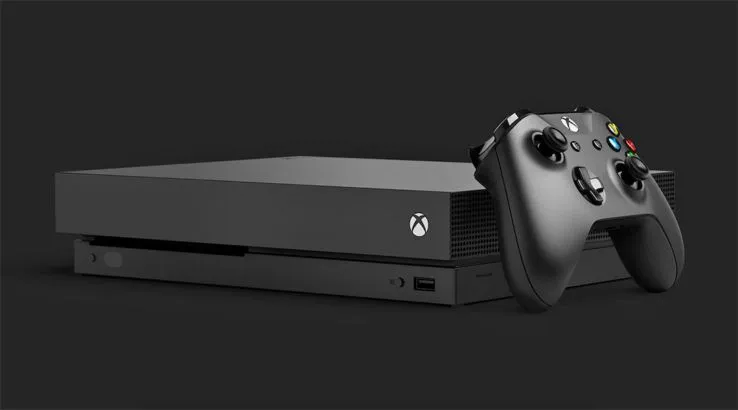
The timing was nothing short of cinematic. The Xbox One X, a technological marvel, launched without a defining, exclusive AAA title—a potential vulnerability in the console wars. Enter PUBG. This wasn't merely another game with graphical enhancements; it was a bona fide global obsession. Microsoft positioned it as the crown jewel of the Xbox One X's holiday lineup, the killer app that transformed the console from a powerful piece of hardware into a mandatory portal to the battle royale experience. The game's chaotic, last-player-standing premise became the ultimate marketing tool. The implication was clear: to truly experience the madness, the tension, the glorious chicken dinners, you needed an Xbox.
The symbiotic relationship was profound:
-
For Microsoft: PUBG provided the must-have software that drove hardware sales, a classic razor-and-blades model executed with precision.
-
For PUBG/Bluehole: The partnership guaranteed massive financial backing, marketing firepower on an unprecedented scale, and a streamlined path into the living rooms of millions.
This alliance created a feedback loop of success, making the Xbox platform the de facto home for console battle royale enthusiasts for a critical period.
The PlayStation Conundrum: A Fanbase in Purgatory
While Xbox fans reveled in the chaotic delights of Erangel, an entire ecosystem of players was cast into a shadow of despair. Bluehole's confirmation of talks with Sony about a PS4 version was a cruel tease, a glimpse of a paradise perpetually out of reach. The potential extension of Microsoft's exclusivity deal dangled the horrifying prospect for PS4 devotees: a wait stretching potentially into the 2018 holiday season, an eternity in the fast-paced gaming landscape. Imagine the frustration! Scouring streams, watching friends on other platforms clinch victories, all while being powerless to join the fray. This strategic delay was a brutal but effective tactic—it siphoned momentum and potential converts toward the Xbox ecosystem during the battle royale format's peak cultural saturation.
The Ripple Effects: Shaping the Gaming Landscape of 2026
Looking back from 2026, the ramifications of this deal are crystal clear. It was a pivotal moment that taught the industry several ruthless lessons:
-
The Power of Timed Exclusivity: It demonstrated that securing a massively popular, genre-defining game, even temporarily, could be more valuable than funding a traditional exclusive from scratch. The ROI was immediate and explosive.
-
Community as a Battleground: The deal explicitly weaponized community FOMO (Fear Of Missing Out). It wasn't just about selling consoles; it was about selling membership to the "in" crowd at a critical cultural moment.
-
The Catalyst for Competition: This move arguably forced Sony's hand, accelerating development and acquisition strategies for their own live-service and multiplayer hits. The console exclusivity wars entered a new, more aggressive phase focused on ongoing engagement, not just launch titles.
For the patient PS4 players, the eventual release, complete with new maps like Miramar and Sanhok, and expanded game modes, did soften the blow. The wait, though agonizing, culminated in a more polished, content-rich experience. Yet, the sting of being second, of watching the phenomenon unfold from the sidelines, became a core memory of that gaming generation.
Ultimately, Microsoft's PUBG exclusivity play was a landmark event. It was a bold, controversial, and supremely effective business strategy that temporarily redrew the battle lines in the console war. It proved that in the digital age, controlling the conversation and the community around a hit title could be just as powerful as controlling the silicon it ran on. The legacy of this deal is still analyzed in 2026, a case study in how to leverage a gaming tsunami for platform dominance—a masterclass in strategic opportunism that changed the rules of engagement forever. 🏆🎮💥