Discovering Dihor Otok: PUBG's Snowy New Frontier in 2026
PUBG Dihor Otok map delivers thrilling survival gameplay and strategic depth, making every snowy battle an unforgettable adventure.
As a dedicated PUBG player, I still remember the thrill of discovering the first glimpses of Dihor Otok back when it was just datamined files and leaked images. Now, in 2026, this snow-covered landscape has become as familiar to me as Erangel's grassy fields, yet it retains a magical quality that never fades. My journey through this frozen battleground has taught me more about survival and strategy than any other map, transforming my approach to the game in fundamental ways.
❄️ The Frozen Heart of Dihor Otok
When I first dropped into Dihor Otok, the visual contrast struck me immediately. The northern regions were like a frozen symphony—every surface glittering with ice crystals that scattered light like shattered diamonds. Moving toward the southern areas felt like watching winter slowly release its grip, with evergreen forests emerging from the snow like sleeping giants stirring from hibernation. The central river became my navigation compass, its northern half frozen solid enough to drive vehicles across, while the southern portion flowed with water that reflected the pine trees lining its banks.
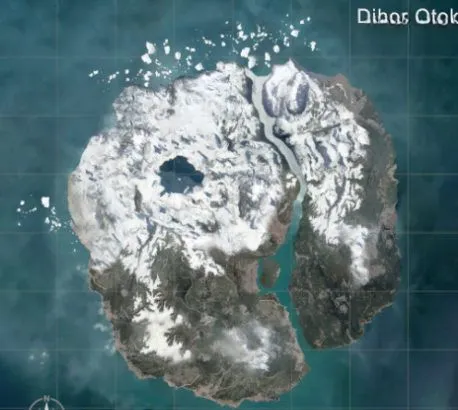
What makes Dihor Otok truly special isn't just its aesthetic beauty, but how the environment influences gameplay:
-
Footprint tracking: Snow preserves footprints for longer than any other terrain
-
Thermal management: Extended exposure to blizzards affects health regeneration
-
Audio dynamics: Snow muffles certain sounds while amplifying others
-
Vehicle handling: Icy roads require completely different driving techniques
🗺️ Strategic Evolution on Frozen Ground
Dihor Otok forced me to unlearn many habits from other maps. The snow isn't just decoration—it's a gameplay element that changes everything. White camouflage actually works here, making ghillie suits less dominant and encouraging more creative approaches to concealment. I've spent hours studying the map's road network, which weaves through the landscape like frost veins on a windowpane—seemingly random at first glance, but revealing careful patterns upon closer inspection.
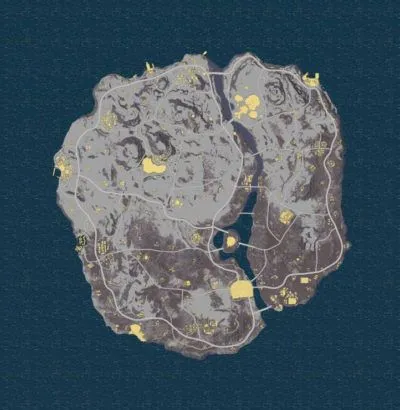
The map's verticality surprised me most. What appears flat from a distance often conceals ravines, ice caves, and snowdrifts that create natural trenches. I've developed specific loadouts for Dihor Otok that I'd never use elsewhere:
| Weapon Category | Dihor Otok Preference | Reasoning |
|---|---|---|
| Primary | VSS or other integrated suppressor weapons | Snow amplifies unsuppressed gunfire travel distance |
| Secondary | DMR with thermal scope | Whiteout conditions during blizzards require thermal vision |
| Sidearm | High-capacity pistol | Vehicle encounters are more common on icy roads |
| Throwable | Smoke grenades | White smoke blends perfectly with snowstorms |
🌲 Between Winter and Woods
The transitional zones between snowy north and forested south became my favorite combat areas. These ecological borderlands create unpredictable engagements where players using winter camo suddenly become visible against dark trees, while forest-geared players stand out against snow patches. The river that divides these regions functions as a natural chessboard—controlling its bridges or frozen crossing points often determines match outcomes.
I've developed specific strategies for each season Dihor Otok experiences (yes, the map has dynamic seasons in 2026!):
Winter Dominance:
-
Use snowmobiles for rapid northern rotations
-
Position in elevated ice formations for visibility
-
Time movements between blizzard cycles
Spring Thaw:
-
Utilize melting snow for water-based rotations
-
Watch for new pathways opening as ice recedes
-
Prepare for increased vehicle mobility
🏆 The Fourth Map's Legacy
Looking back from 2026, Dihor Otok's introduction marked a turning point for PUBG. While Erangel taught us battle royale fundamentals, Miramar tested our endurance in open spaces, and Sanhok forced close-quarters adaptation, Dihor Otok demanded environmental mastery. It proved that maps could be more than just pretty backdrops—they could be interactive ecosystems that reward observation and adaptation.
The snow map also cemented PUBG's identity against competitors. While other games offered seasonal reskins of existing locations, Dihor Otok demonstrated Bluehole's commitment to creating fully realized worlds with their own rules and rhythms. Playing here feels less like visiting a level and more like surviving in an actual place with its own climate, hazards, and opportunities.
❤️ My Personal Connection
After hundreds of matches on Dihor Otok, I've formed attachments to specific locations that don't exist on other maps:
-
Frostbite Ridge: Where I achieved my first solo chicken dinner on the map
-
Whispering Pines: The forest that taught me audio tracking in snow
-
Icebreaker Bay: Where vehicle combat on frozen water became an art form
-
Aurora Point: The northernmost extraction that offers breathtaking sky views
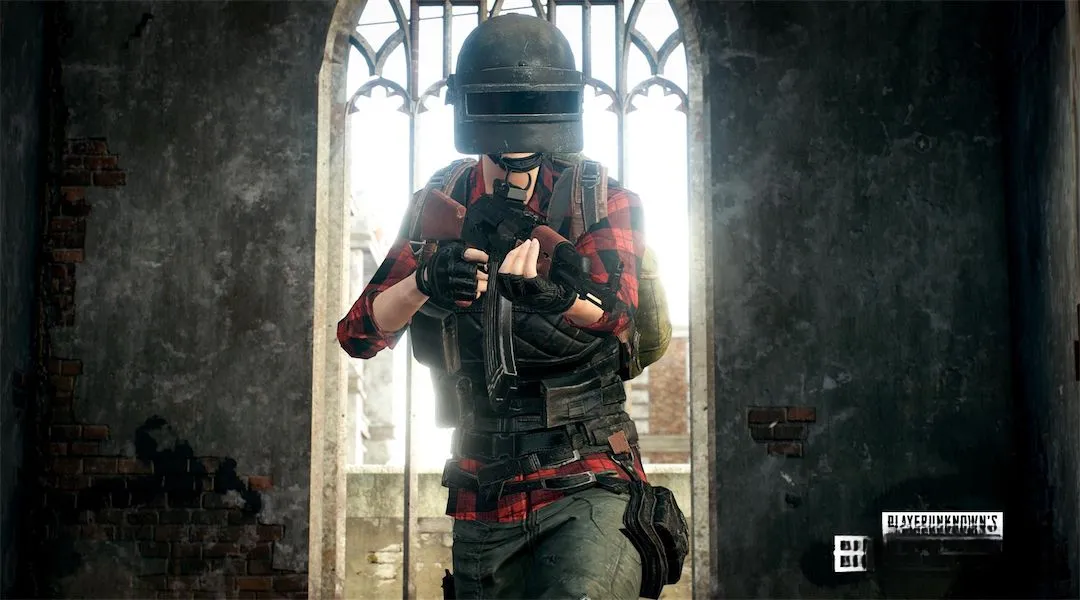
These aren't just coordinates on a map—they're memories frozen in digital time, each with stories of narrow escapes, perfect shots, and heartbreaking defeats. The AK-47 I found in that first datamined image has become my trusted companion through all these adventures, its muzzle often dusted with snow but always ready for the next engagement.
🔮 Looking Forward from 2026
As PUBG continues evolving, Dihor Otok stands as evidence that environmental storytelling and gameplay integration can coexist beautifully. The map that began as leaked files has matured into a beloved classic, its initial novelty replaced by deep strategic appreciation. New players still experience the wonder I felt during that first drop, while veterans continue discovering nuances we missed during thousands of matches.
The frozen river still divides north from south, the pines still whisper secrets to those who listen, and the snow still falls—each flake part of a larger pattern that makes Dihor Otok feel alive. In a genre often focused on constant novelty, this map reminds me that true depth comes not from frequent change, but from perfecting what already works while adding layers of complexity that reveal themselves slowly, like frost crystals forming on glass—one delicate pattern at a time.